
Truthwork Solutions
How to turn fallen leaves into mulch for your garden
A wet heap of leaves on the back steps is worth clearing today. The same leaves in a sack behind the shed can become a useful covering for bare soil. If you have room for one bag, you have room to try it.
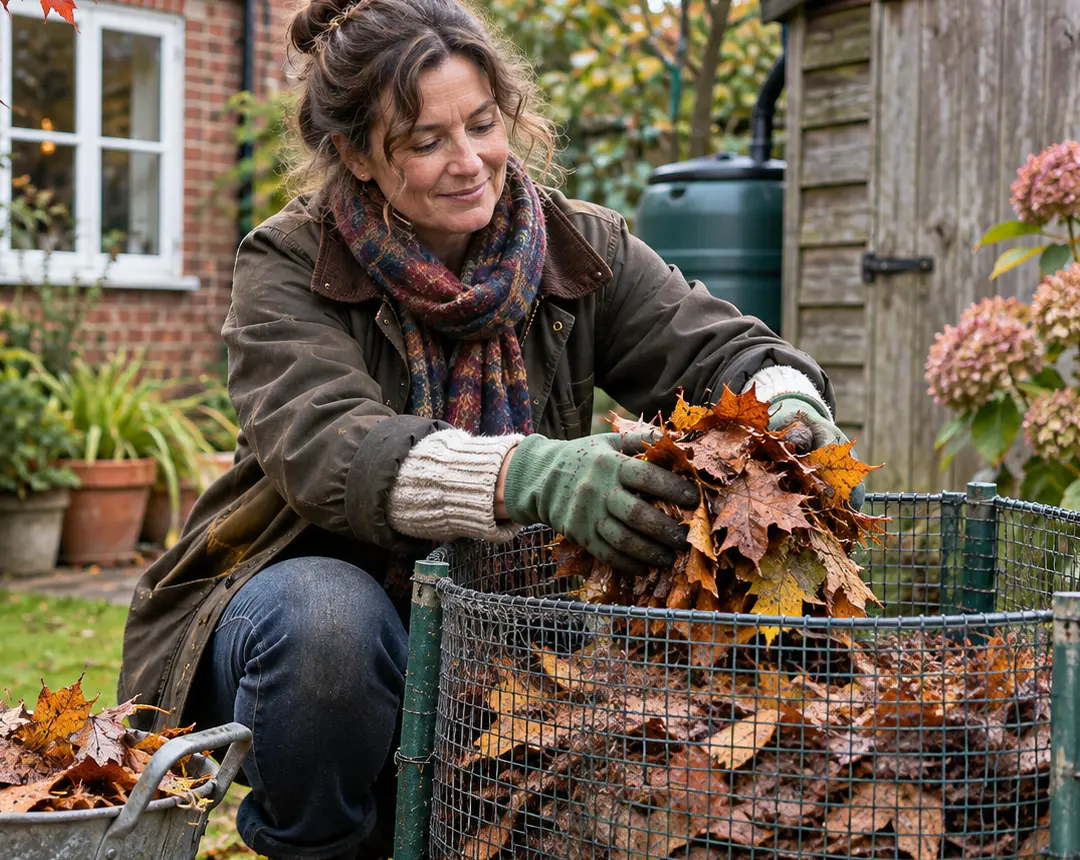 Make leaf mould
Start where you walk
Sweep the doorstep and paths first, then rake up thick drifts from the lawn. Leave a quiet patch beneath a hedge for wildlife. Pick litter and large twigs out of your collection. Oak, beech and hornbeam leaves make good leaf mould. Keep tough evergreen clippings separate so you can use the softer batch as soon as it is ready.
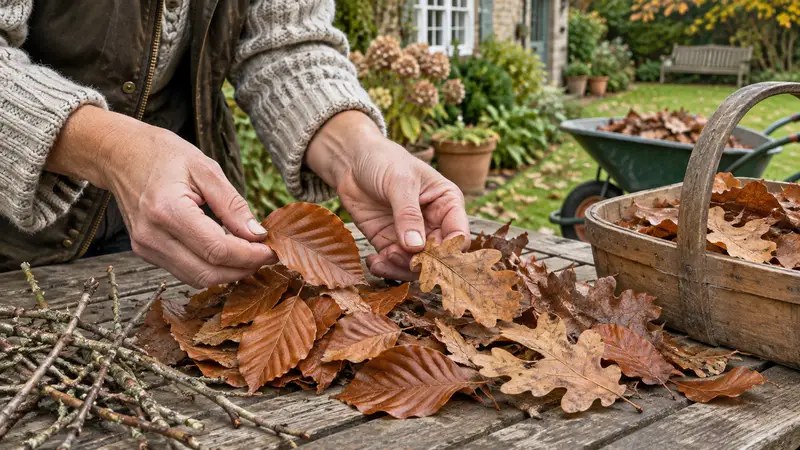
Give the leaves moisture and air
Reuse a sturdy garden sack. Make a few holes in the sides and base, fill it with leaves and sprinkle them with water if they feel dry. Tie the top loosely. Put the sack in a sheltered corner and mark the month and year on it. For a larger garden, a wire enclosure saves filling several sacks and lets rain reach the pile.
If the middle still feels dry and papery when you check it, loosen the leaves and moisten them. Fungi do much of the work of breaking them down. A forgotten bag of bone-dry leaves makes slow progress.
Judge the handful, as well as the date
Open your first sack after about a year. If the leaves have softened and darkened but some outlines remain, spread the material over bare soil around established shrubs. Leave a gap around the stems. This surface layer helps the soil hold moisture. If the leaves still look much as they did when you collected them, dampen the batch and give it longer.
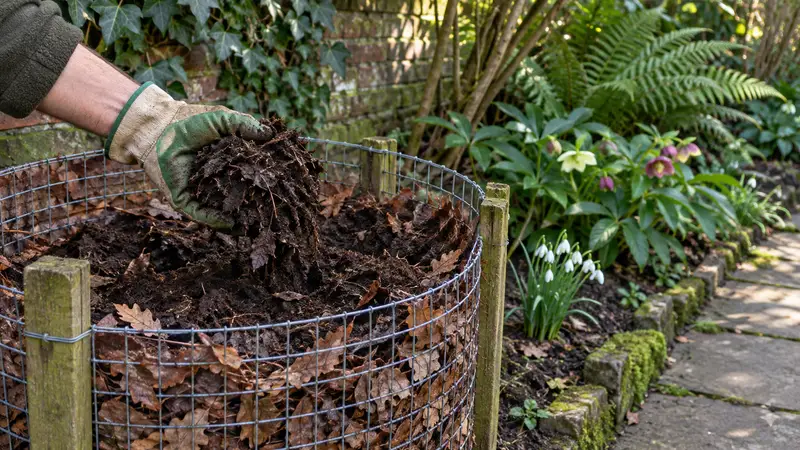
For a finer material, leave a second sack for around two years. Dating the sacks makes it easy to use one batch while the next autumn’s leaves begin to rot.
For more detail, see the Royal Horticultural Society’s leafmould guide and the Royal Botanic Garden Edinburgh’s advice on collecting autumn leaves.
If clearing the path reveals a loose step or another repair, include a photo when you get in touch.
Explore Truthwork’s property maintenance services